
- 2023 | 4 Posts
- 2022 | 30 Posts
- 2020 | 3 Posts
- 2019 | 13 Posts
- 2018 | 10 Posts
- 2017 | 9 Posts
- 2016 | 16 Posts
 RSS Feed
13
Love those pollinators!
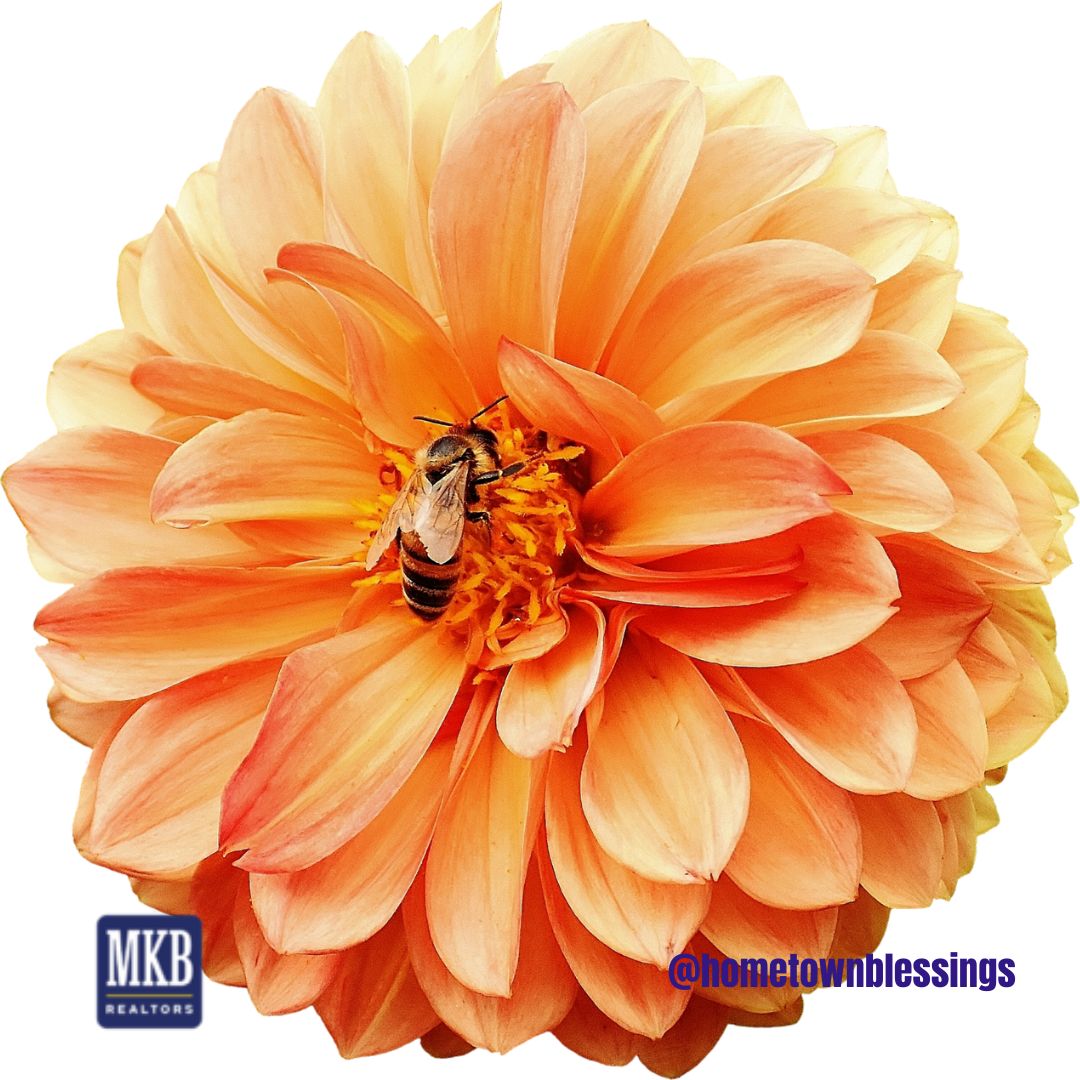
Bees aren't kittens. Some of us shiver in fear when one buzzes in our ear! They're not really cuddly or funny, though some could argue that they are cute.
By now, we all know that pollinators are in decline due to habitat loss, invasive species, pesticides, and predators. But these little workers fertilize plants to form seeds, berries, fruit, and other plant food that we absolutely love.
Here are a few ways that you can support the pollinators in your community!
- Plant natives! Busy bees will come calling when you provide them with native plant pollen and nectar for food, cover from the elements and predators, and places where their young can grow.
- Create cozy nests! Most native bees don't form hives. They nestle in decaying wood and sandy soil. They are also willing to cozy up in whimsical bee houses, like the ones you can find at craft markets here in the Roanoke Valley or make yourself.
- Expand your flower bed and reduce your mowable lawn. Many homeowners find that they can reduce their mowable lawn without impacting how they use it. It can save you time and money while also improving your property for pollinators.
- Clover lawns? Yep. It's a thing. Clover adds nitrogen to your lawn, making even the grassier parts more green and lush. Clover is drought tolerant, resists pet urine, and grows in bad soil. If your lawn has been giving you fits, consider letting more clover grow freely. Plus, some flowering natives like clover, dandelion, and wild violets are edible and quite tasty!
Grandma's antique rosebush will definitely thank you for nourishing the pollinators in your neighborhood, but even if clover patches aren't your style there are lots of ways to support the busy bees that keep our food chain thriving. Next time you see one of these guys making your lawn home, thank him for all he does!
Need some help finding native plants or flowers, a fun bee house, or green landscaping for your BEE-autiful lawn? Give me a call. I'd love to refer you to someone in my trusted network.