
- 2023 | 4 Posts
- 2022 | 30 Posts
- 2020 | 3 Posts
- 2019 | 13 Posts
- 2018 | 10 Posts
- 2017 | 9 Posts
- 2016 | 16 Posts
 RSS Feed
12
Closing costs: Who pays what?
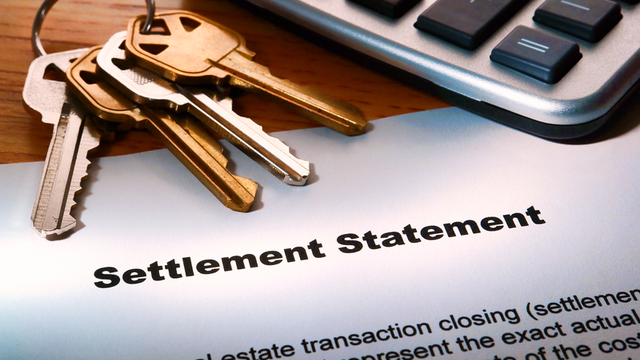
I'm not a big fan of surprises on closing day. Usually, when someone at the closing table is surprised, it's not about something good.
Whether you're a buyer or a seller, knowing what you're on the hook for when we get to your closing helps keep surprises to a minimum. Federal regulations require lenders to issue a Closing Disclosure three business days before you're scheduled to close. The document spells out in detail what each party has to pay at closing. If you see things that don't make sense or that you didn't expect, the three days gives us time to get it resolved.
The specific terms of an individual real estate transaction vary based on our negotiations with the other party, but in general you can expect to see these items in your disclosure:
Paid by the seller
Property transfer taxes. When a title is transferred from one person to another, the locality where the property is located typically charges a tax.
Title insurance. This protects the buyer if any issues come up with the title -- say, a lien against the property that didn't come up during a title search.
Property taxes or HOA dues. The seller is liable for any taxes that the new owner will have to pay on the property for months that he or she did not own it.
Warranty. Sellers will sometimes include a home warranty for up to a year in order to give the buyer more confidence and make the purchase more attractive.
Commission. A rule of thumb is commission at 6 percent of the sale price, split between the buyer's agent and the listing agent.
Paid by the buyer
Title search. This check looks for outstanding liens against the property that need to be paid before it can be transferred.
Inspection fees. This includes the standard home inspection and any specialty inspections required by the lender.
Survey. Your survey verifies the dimensions and boundaries of the property.
Credit report. Your lender may or may not break out the cost of the credit check required for loan approval.
Loan origination costs. Paperwork, paperwork, paperwork. Your loan requires a lot, and this the lender's fee for processing it all. On your disclosure, this will likely appear as an application fee and an underwriting fee.
Appraisal fee. The appraisal will be required by the lender to prove that the value of the home is in line with the mortgage you've requested.
Title insurance for the lender. This policy protects your lender if a problem comes up on the title after closing that didn't turn up during the search.
Recording fee. This will be paid to the municipality where the home is located to record the purchase of the real estate.
Escrow. Once the lender finally approves the loan, the buyer may be required to pay a few months of insurance and taxes into an escrow account in case you haven't paid enough in when those bills come due.
Discount points. This represents prepaid interest collected by the lender in exchanges for a lower interest rate on the loan.
Again, this is a typical breakdown of closing costs. Often, closing costs are a point of negotiation. For example, buyers concerned about competition might offer to pay all closing costs. Sellers might offer some amount toward closing costs to attract more potential buyers. All of those negotiations will be part of your contract and should be reflected in your closing disclosure.
The Consumer Financial Protection Bureau has posted an interactive Closing Disclosure, where you can go line by line and get more details about each expense. They've also got a downloadable PDF. Check them out for more information.
Part of my job is making sure you don't get one of those nasty surprises when it's time to close your real estate deal. If you're thinking about buying or selling and have questions about your closing, I would be happy to answer them.
Contact me anytime at (540) 793-0442 or rpayne@mkbrealtors.com. Take a look at my listings here and like my page on Facebook.