
- 2023 | 4 Posts
- 2022 | 30 Posts
- 2020 | 3 Posts
- 2019 | 13 Posts
- 2018 | 10 Posts
- 2017 | 9 Posts
- 2016 | 16 Posts
 RSS Feed
29
Short sale vs. foreclosure: What's the difference?
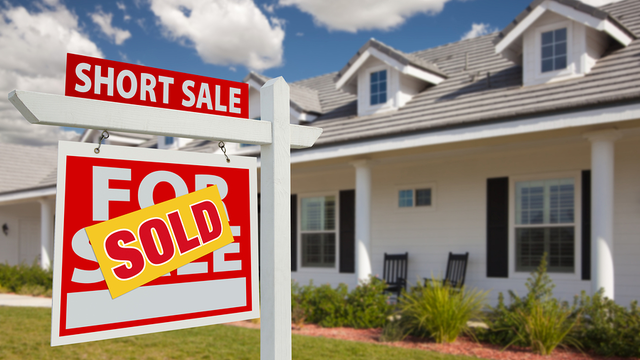
Just like any industry, real estate is full of terms to which many folks haven't been exposed. When searching for a new home, you might run across a property for sale that is described as a "short sale" or "foreclosure."
Sometimes you get lucky, but often these homes aren't in the best shape. These types of sales usually accompany some sort of financial hardship on the part of the seller, who hasn't necessarily had the money to spend on maintenance and upgrades.
Still, short sales and foreclosures can be excellent opportunities, particularly for investors who intend to rehab them and then sell or rent them, or buyers who want to take on fixer-uppers for themselves. Either way, it's important to understand the difference between the two before you buy.
Short sale
A short sale happens when a house is sold for less than the amount of money left to pay on the mortgage. For example, let's say Susan lists her home for sale at $150,000 but still owes $175,000 on the mortgage. If she gets the $150,000, she's still technically $25,000 in the hole on the mortgage.
So how does that happen?
Short sales become necessary when a property's home value has dropped — usually dramatically — since the time the home was purchased. This was the situation for many homeowners after the economic and housing downturn that started in 2008. Many buyers had purchased homes at the top of the market, when prices were at historic highs. When the market tumbled, so did their home values.
Back to Susan. Let's say the situation I just described was what happened to her. Perhaps she bought her home for $225,000 at a time when home prices were higher. Now, she needs to sell her home, maybe because of a job change, a divorce or some other circumstance, but the value has fallen and she owes more for the home than it's worth — what we call being under water. If she can't swing holding onto the home until she's paid down the mortgage a bit more and, possibly, the home's value has recovered some, a short sale might be the answer.
For a short sale to take place, Susan will need to get permission from the bank that holds her mortgage to settle her debt for less than she owes. A short sale usually requires some extra administration work and can take up to a year to process; however, a short sale does not affect the owner's credit rating as badly as a foreclosure does, and in most cases, the lender recovers more than if the property fell into foreclosure.
Foreclosure
Foreclosures are a little simpler to understand. A foreclosure happens when a homeowner is unable to make the agreed-upon payments, and the lender seizes the house. It's very much like a car repossession.
For example, maybe Dan has been having trouble making mortgage payments because of a job loss or some other event that has negatively affected his finances. Eventually, if Dan continues to miss payments, his lender will initiate a foreclosure with the intent to sell the house to recover part of the debt. Often, homeowners will have abandoned their properties by the time a foreclosure takes effect, but if they are still in the home, they will be evicted.
A foreclosure reflects much more poorly on a homeowner's credit history than a short sale, and generally, the homeowner won't be able to buy another home for five to seven years. When buying a home that's in foreclosure, a buyer needs to ensure any remaining liens on the property have been satisfied or will be satisfied (possibly by the buyer) at closing.
Though the process of buying a short sale or foreclosure property is a little more involved than that of a similar conventional purchase, both are viable options and can present good opportunities under the right circumstances.
If you have other questions about buying a home that's in foreclosure or that's being offered through short sale, get in touch with me any time. Contact me anytime at (540) 793-0442 or rpayne@mkbrealtors.com to schedule a time to talk.